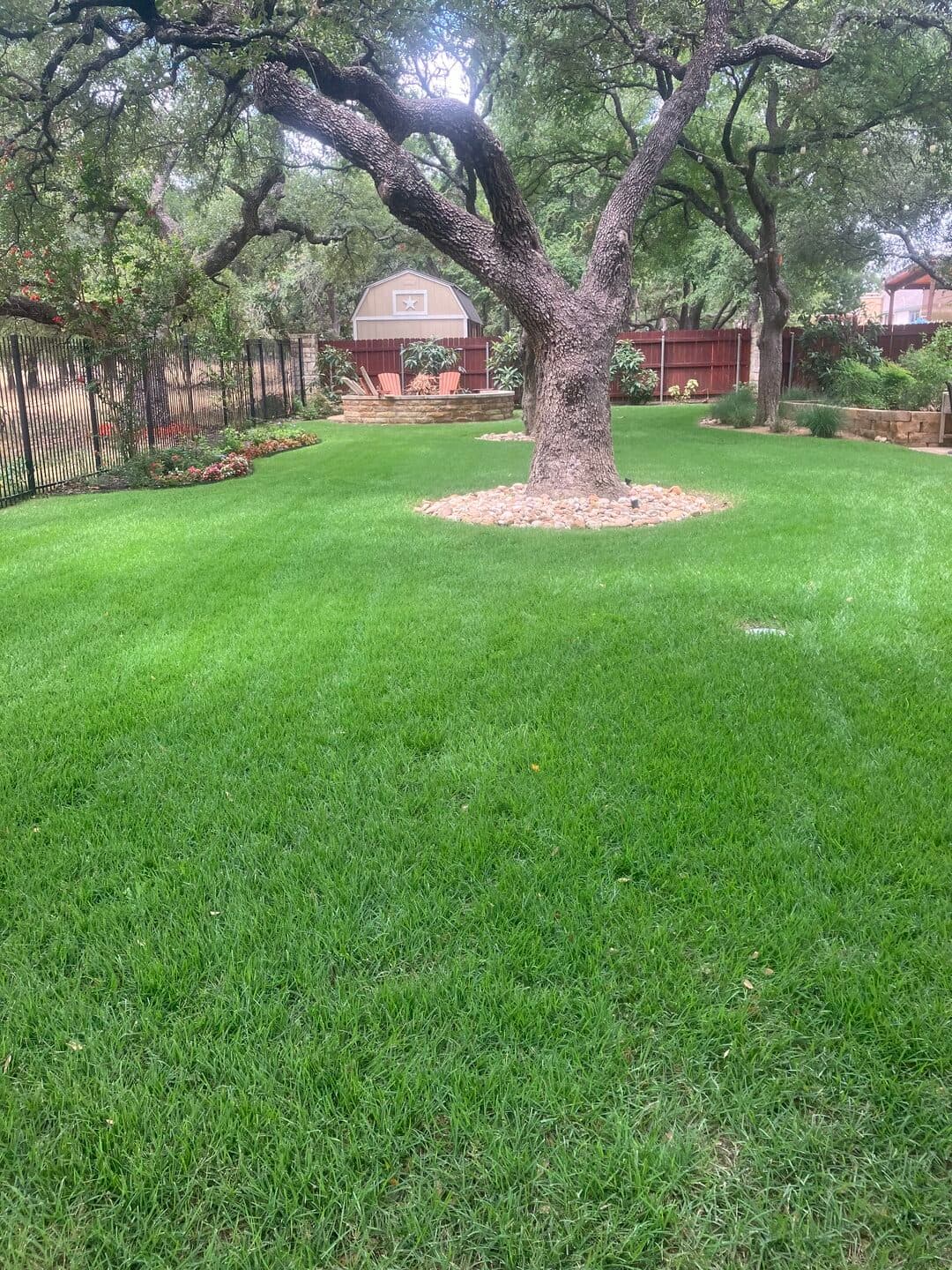
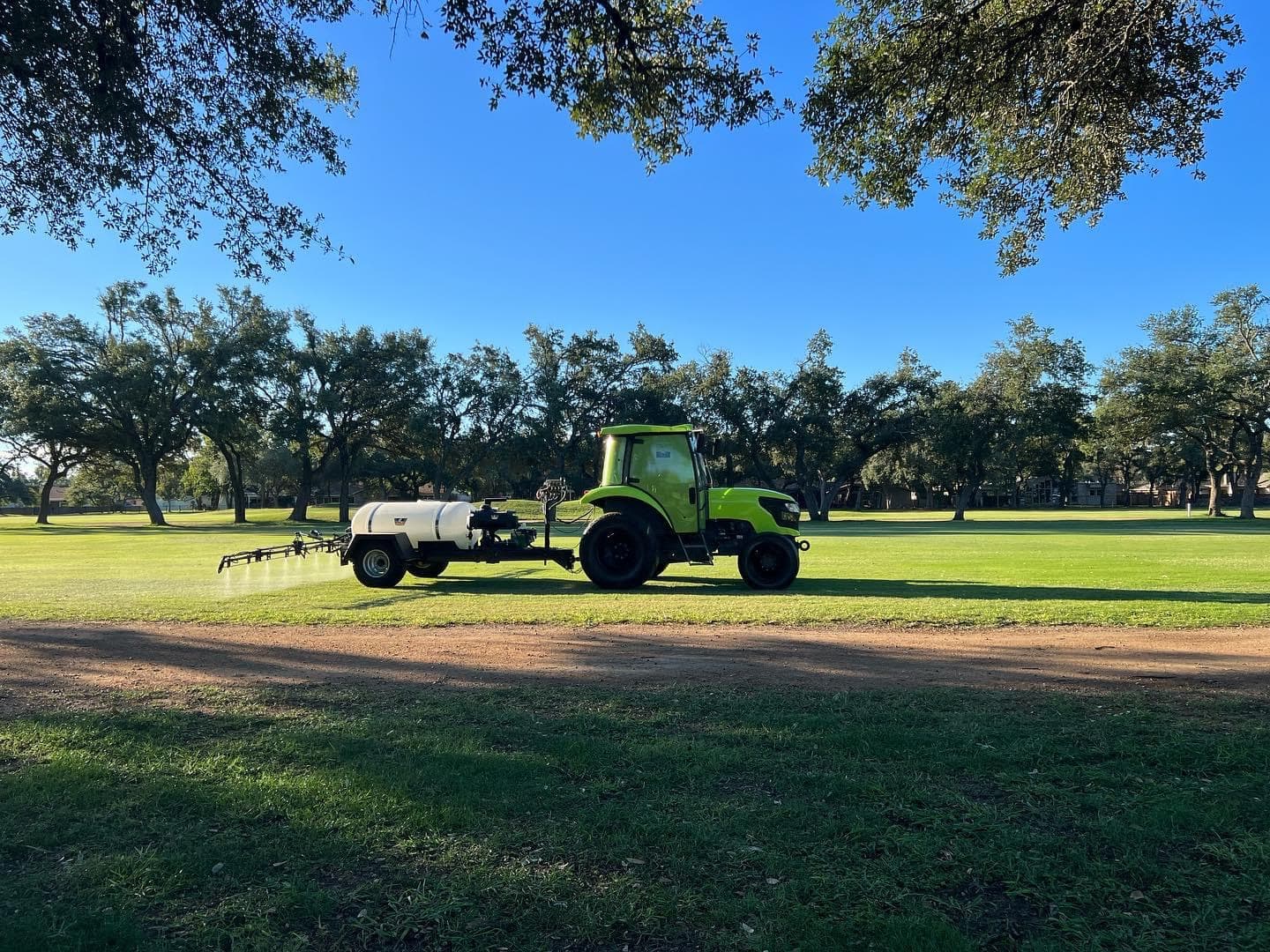
That distinction matters across Georgetown, Liberty Hill, Leander, and nearby Central Texas communities. Heat, compacted construction soil, uneven settling, and irregular water movement can produce similar symptoms for very different reasons. Before adding material, homeowners need to know what top dressing can reasonably improve and what requires another solution.
What Compost Top Dressing Actually Does
Top dressing means distributing a thin, even layer of selected material over existing turf. The grass should remain visible rather than being buried. Depending on the lawn, the material may include screened compost, soil, or a blend chosen for the existing root zone and the intended result. Green Dream Lawns describes its professional topdressing service as a way to smooth uneven areas, enrich soil, and support stronger grass growth.
Compost top dressing is most helpful as a gradual soil-improvement practice. Organic material at the surface can work into the root zone over time, especially when it is paired with active turf growth and sensible watering. It is not the same as adding several inches of fill, installing new soil, or rebuilding the grade.
Three Problems Top Dressing May Improve
1. Minor Surface Unevenness
Shallow dips, small depressions, and a generally bumpy surface may improve through careful applications. The key word is minor. A thin layer can soften small transitions without covering the grass. Deeper holes and abrupt grade changes should be investigated before material is added because settling, buried debris, erosion, or drainage may be involved.
2. A Root Zone That Needs Better Organic Matter
Many local yards contain clay-influenced or construction-compacted soil, but conditions can change from one property to the next. Screened compost may support a more workable surface layer when it is compatible with the existing soil. The goal is not to create a separate layer that behaves differently from the soil below. Material selection should follow an assessment of texture, compaction, drainage, and turf condition.
3. Recovery After Core Aeration
Top dressing and core aeration can complement each other when compaction is part of the problem. Aeration opens channels in the soil, and a properly selected top dressing can settle into those openings. Homeowners comparing the two services can also review the local guide to how core aeration works in Central Texas turf . Neither service replaces a diagnosis when insects, disease, irrigation failure, or severe grading is the real cause.
What Top Dressing Cannot Repair on Its Own
A good top dressing plan begins with a clear list of limits. Adding compost or soil is unlikely to solve these problems by itself:
- Deep depressions or major settling: A thin layer cannot rebuild a large void or correct unstable soil.
- Water moving toward a foundation: Drainage and grading require a broader site evaluation, not repeated surface applications.
- Broken or poorly adjusted irrigation: Material cannot make up for dry zones, leaks, runoff, or mismatched watering coverage.
- Active turf disease or insect damage: Covering symptoms can delay the right response and make changes harder to monitor.
- Severe thatch or buried construction debris: Those conditions need to be identified before the surface is changed.
If one side of a yard stays wet while another remains dry, begin with a lawn moisture assessment . If patches are expanding despite appropriate watering, review the signs that may call for professional lawn disease evaluation . Top dressing works best after the cause of the problem is understood.
Compost, Soil, or Sand: The Material Has to Match
There is no universal bag or blend that suits every Central Texas lawn. Compost adds organic material, but it should be screened and suitable for turf. Soil used for smoothing should be reasonably compatible with the existing soil. Sand can change how water moves through the surface, which is why adding it to a clay-influenced yard without a plan can create an undesirable layer rather than the improvement a homeowner expected.
The intended result matters too. A lawn being lightly smoothed may call for a different blend than a root zone being improved after aeration. Turf type, existing soil, drainage, and the depth of the uneven areas all belong in that decision. More material is not automatically better. Burying leaf blades or the growing points of the grass can slow recovery.
Why Late August Is a Planning Window
By mid-August, local homeowners have had enough summer use to see where the lawn feels rough, where water runs off, and which spots recover poorly. Those observations make late summer a useful assessment period. Green Dream Lawns notes that top dressing is typically scheduled during active growing periods, commonly spring or early fall, so the grass can recover and benefit from the improved surface conditions.
Timing should still follow the lawn, not only the calendar. Turf that is severely heat-stressed, dry, or declining needs the cause addressed first. A healthy, actively growing lawn can respond differently from a lawn already struggling with disease or irrigation trouble. Planning now allows time to inspect those conditions, choose material, and coordinate any related work rather than applying a product because fall is approaching.
How to Prepare for a Professional Assessment
A short walk through the property can make the conversation more productive. Mark the areas that feel uneven and note whether they hold water, dry quickly, or sit near downspouts and hard surfaces. Photograph problem spots after irrigation or rainfall. Identify sprinkler heads, valve boxes, shallow utilities, tree roots, and edges where added material could interfere with drainage or hardscape.
Also consider what has already been done. Recent lawn fertilization , herbicide applications, sod repair, or aeration may affect the sequence. Top dressing should fit the maintenance plan rather than compete with it. Normal mowing and watering instructions can vary with turf condition, so follow the recommendations provided for the property instead of relying on a one-size schedule.
Measure Success Over Time
Top dressing is usually a refinement, not an overnight transformation. Success may look like a smoother mowing surface, fewer small depressions, more even moisture behavior, or stronger turf recovery during active growth. Compare photos and observations over several weeks rather than judging the lawn the next morning.
Keep watching the areas that triggered the work. If a dip returns, water continues to collect, or turf declines, that pattern is useful evidence. It may point to settling, drainage, disease, or another issue outside the scope of top dressing. A broader seasonal plan, including the practical steps in Green Dream Lawns' fall lawn care guide , can help place the service in context.
Frequently Asked Questions
Can compost top dressing level a bumpy lawn?
It can improve minor unevenness through a thin, even application. Deep holes, sharp grade changes, or areas that keep settling need further evaluation before more material is added.
Should top dressing be applied before or after aeration?
When the services are paired, top dressing is commonly applied after core aeration so selected material can move into the openings. The right sequence still depends on turf condition and the reason for the work.
Can I top dress a lawn that has brown patches?
Identify the cause first. Brown turf may reflect heat, moisture imbalance, disease, insects, dormancy, or another stress. Covering the area before diagnosis can make the pattern harder to evaluate.
When is the best time for top dressing in Central Texas?
Active growth is important because grass needs to recover through the material. Spring and early fall are common windows, but current heat, moisture, turf species, and lawn health should guide the final schedule.
Choose the Repair That Matches the Lawn
Compost top dressing earns its place by doing a few jobs well: improving the surface gradually, adding compatible organic material, and supporting a broader soil-care plan. It becomes disappointing when it is asked to fix drainage, deep settling, irrigation failure, or unidentified turf decline.
Green Dream Lawns can evaluate the lawn, explain whether top dressing fits, and coordinate it with related care across the Georgetown area. Call or text (737) 343-8545 to request a custom quote.
Need Help With This Service?
Request a quote and we will build a practical lawn plan for your property.
Book Consultation