Effective fire ant control cedar park, tx means applying the right combination of broadcast bait and mound treatments at the right time, using products calibrated to the heat and soil conditions specific to Central Texas. A two-step approach, where a slow-acting bait is distributed across the entire lawn followed by direct mound treatments for active colonies, delivers the most consistent long-term results in this region.
Key Takeaways
- August is peak fire ant activity in Cedar Park because soil temperatures drive colonies closer to the surface and increase foraging range.
- A broadcast bait plus direct mound treatment approach outperforms single-product spot treatments on Cedar Park properties.
- Clay-heavy soils in older Cedar Park neighborhoods hold heat longer, which extends fire ant activity well into fall.
- Fire ant pressure affects more than comfort, it can damage turf root systems and create hazards on commercial and sports turf properties.
- Green Dream Lawns provides fire ant control as part of a broader lawn care program, not as a one-time fix.
Why Cedar Park Soil and Summer Heat Make Fire Ants Worse in August
Cedar Park sits in a transition zone between the thin limestone-based soils you find further west and the heavier clay soils that dominate the eastern portions of Williamson County. In neighborhoods like Twin Creeks and the older sections near Brushy Creek Regional Trail, that clay content is significant. Clay holds heat. When August temperatures in Cedar Park regularly push into the high 90s and stay there for weeks, the soil temperature at the surface can stay elevated even overnight. Fire ants respond to that warmth by staying active longer and foraging farther from the mound than they would during cooler months.
That extended foraging range is what catches most homeowners off guard. You might not see a mound directly in your lawn, but colonies can be nesting at the edge of a fence line, under a landscape bed, or along the curb, and workers will travel fifteen to twenty feet in search of food. By the time a mound is visible and large enough to notice, the colony is already well established. That is why timing matters so much for fire ant control cedar park, tx. Treating in August, when workers are active and moving bait back to the queen, is far more effective than waiting until you see a problem that has already been building for months.
What Does Effective Fire Ant Control Cedar Park, TX Actually Look Like?
The approach we use at Green Dream Lawns is built around what actually works in Central Texas conditions, not what looks good on a product label. A broadcast bait application distributed across the entire lawn targets worker ants as they forage. They carry the bait back to the colony, where it eventually reaches the queen. This is a slower process than pouring a liquid drench directly on a mound, but it is far more effective at eliminating the colony rather than just disrupting it temporarily.
We pair that broadcast step with direct mound treatments on any active colonies we identify during the service visit. The combination addresses both the visible problem and the underlying pressure across the full property. For properties near high-traffic areas like the Brushy Creek Regional Trail or commercial corridors along US-183, that whole-property coverage matters even more because fire ant pressure from adjacent green spaces and undeveloped lots is constant.
This is also why we look at fire ant control cedar park, tx as part of a broader turf health picture. A lawn that is stressed from compaction, poor fertility, or disease pressure gives fire ants easier entry points and more places to establish. If your turf has thin or bare areas, colonies can move in quickly. Services like aeration and lawn fertilization that build a denser, healthier stand of grass make your property less hospitable to fire ants over time. We have written more about how fire ant colonies behave across different property types in our post on fire ant control in Leander, TX , which covers a lot of the same soil and climate dynamics you see in Cedar Park.
Commercial Properties and Sports Turf in Cedar Park Face a Different Level of Risk
Residential yards are one thing, but Cedar Park has a growing commercial and athletic turf footprint that makes fire ant management a liability issue, not just a comfort issue. HOA common areas, office park lawns, and sports fields along the 183A corridor see heavy foot traffic throughout the year. A fire ant mound on a soccer field or near a playground is a serious safety concern, particularly for young children who may not recognize the warning signs before disturbing a colony.
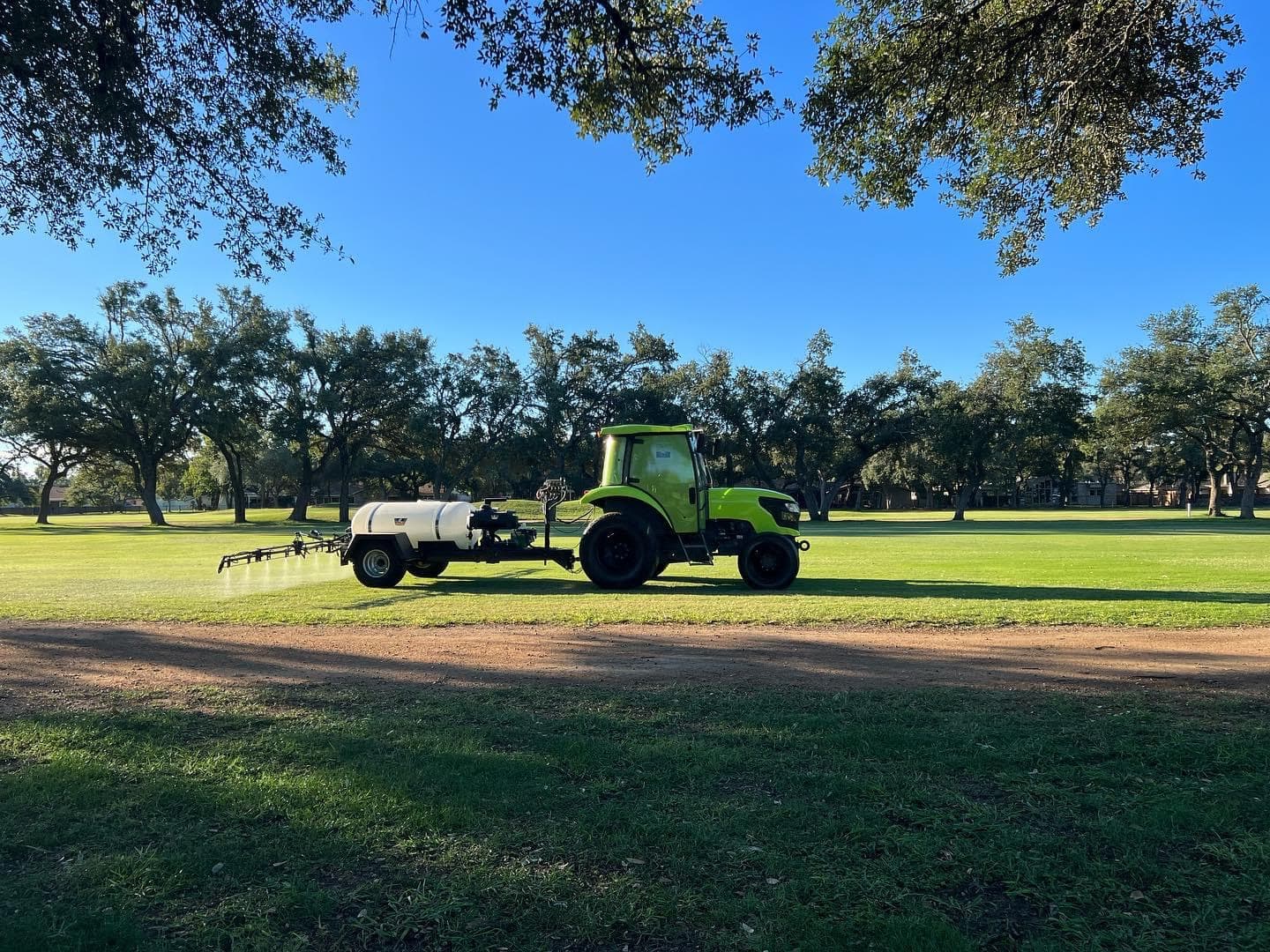
Our commercial turf and vegetation services include fire ant control as a standard component for properties that need consistent, documented treatment schedules. For sports turf specifically, our sports turf management program accounts for the timing and product requirements that keep fields safe and compliant. If you manage a commercial property in Cedar Park and fire ants are part of your ongoing concern, a custom estimate is the right starting point given that treatment scope varies by acreage and frequency.
Fire ant control also connects closely to broader lawn insect management . Properties dealing with fire ants are often also contending with other insect pressure that affects turf health, and addressing both together produces better results than treating each in isolation.
Frequently Asked Questions
Is August really the best time to treat for fire ants in Cedar Park?
August is one of the most effective treatment windows in Cedar Park because soil temperatures keep fire ant workers highly active and foraging aggressively. That foraging behavior means broadcast bait gets picked up quickly and carried back to the colony. Treating during peak activity gives the bait the best chance of reaching the queen before the colony retreats deeper into the soil in cooler months.
Why do fire ant mounds keep coming back in my Cedar Park yard after I treat them?
Spot-treating individual mounds with a liquid drench often kills the workers on the surface but does not reach the queen, so the colony relocates and resurfaces nearby. Cedar Park's clay soils also allow colonies to move laterally without showing a new mound right away. A broadcast bait approach combined with direct mound treatment addresses the whole colony, not just the visible portion.
Do fire ants cause damage to turf beyond the mound itself?
Yes. Fire ant colonies disrupt root systems in the soil directly around the mound, which creates dead or thinning patches in the turf. In Cedar Park's summer heat, those bare spots can expand quickly and become entry points for weeds. Maintaining consistent fire ant control cedar park, tx helps protect the overall density and health of your lawn through the hottest months of the year.
Does Green Dream Lawns serve all of Cedar Park, including areas near 1431 and Lakeline?
Yes, our service area covers Cedar Park fully, including neighborhoods near Lakeline Mall, the Twin Creeks area, and properties along the 1431 and 183A corridors. We are based out of Georgetown, TX and regularly work throughout Williamson County. You can see the full coverage area on our Cedar Park service area page or contact us directly to confirm your address and get a custom estimate.
Cedar Park keeps growing, and with that growth comes more disturbed soil, more new construction, and more opportunity for fire ant colonies to establish in places that were not a problem a few years ago. The neighborhoods filling in along the western edge of the city near 1431 are seeing exactly that pattern right now. If your property is in that zone, this August is the right time to get ahead of it.
Need Help With This Service?
Request a quote and we will build a practical lawn plan for your property.
Book Consultation