
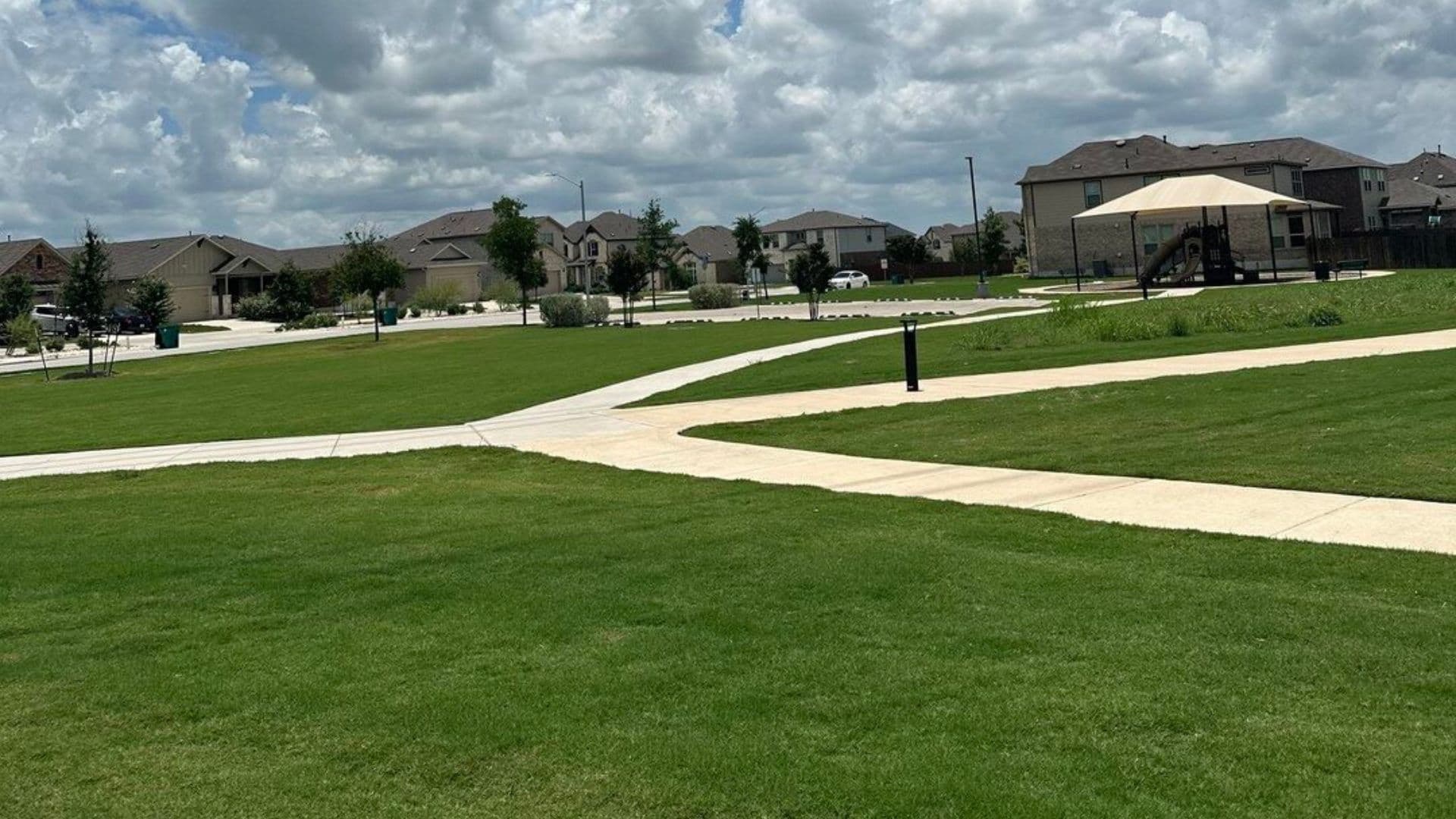
Maybe you're looking out at your yard right now, noticing some brown patches and wondering if that's normal. Or perhaps you're unsure whether you're watering too much, too little, or at the wrong times entirely. These questions are completely natural, and you're not alone in asking them. Every homeowner who's maintained a beautiful lawn started exactly where you are now.
This guide is here to help you understand what your lawn actually needs, without the confusing jargon or pressure to buy a dozen different products. You'll learn practical lawn care tips for beginners that address common problems, build your confidence, and help you know when it makes sense to call in professional help. By the end, you'll feel equipped to make smart decisions about your outdoor space.
Understanding Your Texas Lawn
Late summer in Central Texas creates unique challenges for your grass. The combination of intense heat, occasional drought, and active pest cycles puts tremendous pressure on your lawn. St. Augustine and Bermuda grass are the two most common varieties in these areas, and they respond differently to stress.
St. Augustine tends to go dormant more quickly during extreme heat, while Bermuda handles high temperatures better but struggles in shaded areas. Understanding which grass type you have is one of the most important lawn care tips for beginners because it shapes everything from watering frequency to fertilization needs. The actions you take during critical growing periods directly impact whether you'll have a lush, green lawn year round or spend months repairing damage.
Proper Watering Techniques for Deep Roots
Watering seems straightforward until you realize many beginners either underwater, causing dormancy, or overwater, encouraging shallow roots and fungal problems. The goal isn't just keeping grass green but developing a deep, resilient root system that handles stress effectively.
Your lawn needs approximately 1 to 1.5 inches of water per week, including rainfall. But here's the key insight most lawn care tips for beginners emphasize: deep, infrequent watering beats shallow, frequent watering every single time. Water 2 to 3 times per week maximum, applying water early morning between 4am and 9am to minimize evaporation. Run sprinklers long enough that water penetrates 6 to 8 inches deep.
Check soil moisture by pushing a screwdriver into the ground. If it slides in easily to 6 inches, your lawn has adequate moisture. If it stops after 2 to 3 inches, you need to water deeper, not more frequently. This simple test takes the guesswork out of irrigation and helps you avoid the most common watering mistakes.
Recognizing Grub Damage Before It Spreads
Grubs are one of the most destructive lawn pests in Central Texas. These white larvae live just beneath the soil surface, feeding on grass roots and creating patches of lawn that die quickly despite adequate water. Understanding how to identify grub problems early saves you significant repair costs later.
Warning signs of grub infestation include:
- Irregular brown patches that don't respond to increased watering
- Grass that pulls up easily like loose carpet, revealing damaged or missing roots
- Increased activity from armadillos, skunks, or birds digging in your yard
- Sections of lawn that feel spongy or unstable when you walk across them
- Dead patches that expand rapidly over days rather than gradually over weeks
To confirm grubs, cut three sides of a square foot of sod and peel it back like opening a book. If you see more than 5 to 10 grubs in that area, you have an infestation requiring treatment. Professional grub control treatments work most effectively when applied before extensive damage occurs, targeting larvae during their active feeding period.
Understanding Fertilization Timing
One of the most valuable lawn care tips for beginners is understanding that fertilization timing matters just as much as the fertilizer itself. Applying nutrients at the wrong time can stress your grass, waste money, and even cause damage that takes months to repair.
Texas lawns benefit most from fertilization during their active growing seasons. For warm season grasses like St. Augustine and Bermuda, this means spring through early fall, but never during extreme heat above 95 degrees. Fertilizing stressed grass during peak summer heat can burn roots and create lasting damage. Professional lawn fertilization services account for current weather conditions, soil nutrient levels, and grass type to determine optimal application timing.
The right fertilizer balance also matters significantly. Nitrogen promotes green growth, phosphorus supports root development, and potassium builds stress resistance. New homeowners often apply high nitrogen fertilizers year round, creating lush top growth but weak root systems that struggle during heat and drought.
Critical Mistakes That Cost New Homeowners
Learning what not to do is just as valuable as learning best practices. These mistakes are remarkably common and can set your lawn care journey back significantly:
- Fertilizing during extreme heat can burn stressed grass, so wait for cooler temperatures
- Ignoring brown patches allows problems to worsen when early intervention could save your lawn
- Watering at night leaves grass blades wet for hours, inviting fungal diseases like brown patch
- Treating all brown spots the same when they could indicate disease, pests, or irrigation issues
- Skipping preventive treatments and only addressing problems after damage becomes visible
- Delaying professional assessment until damage becomes severe and expensive to repair
Homeowners who see the best results view lawn care as ongoing maintenance rather than crisis response. Small, consistent actions throughout the year beat sporadic intensive efforts every time.
The Power of Aeration and Overseeding
Core aeration removes small plugs of soil, allowing oxygen, water, and nutrients to reach root zones more effectively. In Central Texas heavy clay soils, compaction is almost inevitable, especially in newer construction areas. Compacted soil creates shallow root systems, making grass more vulnerable to grub damage, heat stress, and drought conditions.
The ideal time for aeration in these areas is late September through October when temperatures moderate and grass enters its most active growth phase. Overseeding immediately after aeration takes advantage of those open soil channels, allowing new grass seed to establish strong roots before winter. This combination addresses thin spots, fills in areas damaged by summer stress or pests, and creates a thicker lawn that naturally resists weeds and future pest problems.
Many of the most important lawn care tips for beginners focus on prevention rather than reaction. Aeration and overseeding represent this proactive approach, strengthening your lawn before problems develop rather than scrambling to fix damage after it occurs.
Identifying Common Lawn Pests and Diseases
Beyond grubs, several other pests and diseases threaten Central Texas lawns. Lawn insects like chinch bugs create irregular yellow patches that quickly turn brown, while fire ants build unsightly mounds and deliver painful stings. Fire ants are particularly problematic for families with children and pets who use the yard regularly.
Fungal diseases appear differently depending on the type. Brown patch creates circular dead zones with darker outer rings, while take all root rot causes irregular thinning that doesn't respond to water or fertilizer. Early identification matters because treatment effectiveness drops significantly once diseases become established. Professional diagnosis ensures you're treating the actual problem rather than guessing and potentially making things worse.
When to Call Professional Lawn Care Services
Specialized lawn treatments truly benefit from professional expertise and equipment. Grub control, aeration, overseeding, fertilization, and disease treatments require knowledge about timing, application rates, and product selection that takes years to develop. The right provider explains not just what they're doing but why it matters for your specific property.
Green Dream Lawns serves homeowners throughout Georgetown, Liberty Hill, and Leander with comprehensive lawn and tree care treatments . Their customer-first approach combines expert knowledge with clear communication, helping new homeowners understand exactly what their lawns need and when. From grub control and aeration to weed control, fertilization, and plant care, they provide the reliable treatment services that build healthy, beautiful outdoor spaces.
Call Green Dream Lawns at 737-343-8545 to discuss your lawn's specific needs and receive expert recommendations tailored to your property.
Frequently Asked Questions
How do I know if my lawn has grubs? Warning signs include irregular brown patches that don't respond to watering, grass that pulls up like loose carpet, increased armadillo or bird activity, and spongy feeling sections. To confirm, peel back a square foot of sod. If you see more than 5 to 10 white C-shaped larvae, you need professional grub control treatment.
When is the best time to aerate my lawn in Central Texas? Late September through October is ideal for aeration in Central Texas when temperatures moderate and grass enters active growth. Core aeration relieves soil compaction in heavy clay soils, and pairing it with overseeding produces the best results for filling thin spots and strengthening your lawn.
Should I fertilize my lawn during Texas summer heat? Avoid fertilizing when temperatures exceed 95 degrees, as it can burn stressed grass and damage roots. Wait for cooler weather and consider professional fertilization services that time applications based on weather conditions, soil nutrients, and grass type for optimal results.
What lawn care mistakes do new homeowners commonly make? Common mistakes include fertilizing during extreme heat, watering at night (which invites fungal diseases), treating all brown spots the same, ignoring early pest warning signs, and delaying professional assessment until damage becomes severe.
Need Help With This Service?
Request a quote and we will build a practical lawn plan for your property.
Book Consultation