
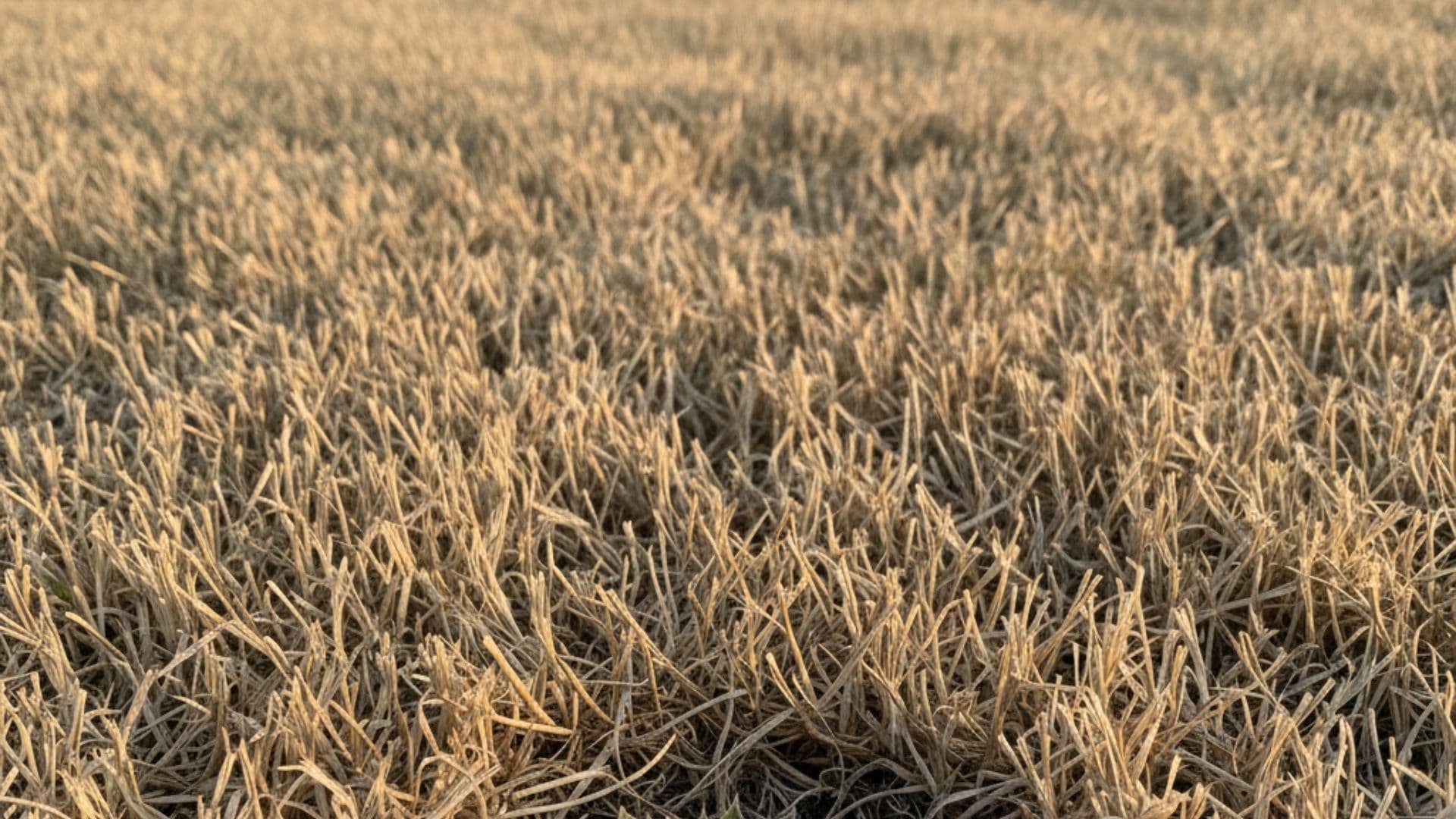
Understanding why your lawn turns brown and how to tell the difference between healthy dormancy and actual problems can save you significant worry and money. Let's break down exactly what's happening to your grass and when you should be concerned versus when you should simply let nature take its course.
What Is Lawn Dormancy and Why Does It Happen
Dormancy is your lawn's survival strategy. When temperatures consistently drop and daylight hours shorten, warm-season grasses like St. Augustine, Bermuda, and Zoysia stop actively growing and redirect all their energy into their root systems.
Think of it like a bear hibernating for winter. The grass isn't dead. It's conserving resources until conditions improve. The visible blades turn brown and straw-colored because the grass stops producing chlorophyll, the green pigment. But underground, the roots and crown remain very much alive, waiting for warmer temperatures to trigger new growth.
The science behind the color change is straightforward. Chlorophyll production requires specific temperature ranges and adequate sunlight. When soil temperatures drop below 55°F consistently, warm-season grasses can no longer maintain chlorophyll in their blades. The green fades, revealing the tan, brown, and straw colors of the plant's structural tissues. This is a protective mechanism, not a sign of distress.
St. Augustine vs. Bermuda Grass Dormancy Patterns
Not all grass types go dormant the same way, and understanding your specific turf helps set proper expectations.
St. Augustine Grass:
- Most common lawn grass in our area
- Prized for shade tolerance and thick texture
- Enters dormancy when nighttime temperatures consistently fall below 55°F
- Turns a uniform tan or light brown color
- Goes dormant earlier, usually mid to late November
- Greens up later, typically late March or early April
Bermuda Grass:
- Known for durability and sun-loving nature
- Tolerates cold better than St. Augustine
- Goes dormant slightly later than St. Augustine
- Often shows a golden-straw color rather than brown
- Greens up earlier in spring, sometimes as early as mid-March
Zoysia Grass:
- Less common but growing in popularity
- Falls between St. Augustine and Bermuda in cold tolerance
- Turns a lighter tan-brown color
- Maintains relatively uniform appearance through dormancy
If you have mixed grass types or persistent weeds in your lawn, you might notice uneven coloring during dormancy. Some areas brown, others still showing green patches. This isn't necessarily a problem, just different plants responding differently to temperature.
How to Tell Dormant Grass from Dead Grass
This is the critical question. Here's how to know if your brown lawn is simply resting or actually in trouble.
The Tug Test: Gently pull on a handful of brown grass blades. Dormant grass resists and stays firmly rooted. Dead grass pulls up easily, often with no root attachment. If your entire lawn comes up in patches with a gentle tug, you have a problem beyond normal dormancy.
The Crown Check: Part the brown blades and look at the base of the plant near the soil line, called the crown. On dormant grass, the crown should be firm, white or light tan, and intact. Dead grass shows dark, mushy, disintegrated crowns.
The Consistency Test: Dormancy affects your entire lawn relatively evenly. You might have some variation, but the overall pattern is uniform browning. Dead patches appear as distinct areas like circles, irregular shapes, or strips surrounded by healthier dormant grass. These irregular dead zones indicate disease, insect damage, or other problems.
The Spring Test: This requires patience, but it's definitive. Dormant grass will green up naturally when temperatures warm consistently in spring. If areas remain brown into late April or early May when surrounding grass has greened, those sections are dead and need renovation.
Common Reasons for Abnormal Browning
Sometimes what looks like normal dormancy is actually lawn damage. Watch for these warning signs:
- Brown Patch Disease: Causes irregular circular patches that look different from surrounding dormant grass. The affected areas often have a darker, almost gray-brown appearance with a darker ring at the edges. Professional lawn disease treatment can identify and address these fungal issues before they spread.
- Take-All Root Rot: Creates expanding dead areas that don't match the uniform dormancy pattern. Particularly common in our alkaline Central Texas soils, this fungal disease shows up as irregular yellow or brown patches that gradually enlarge.
- Grub Damage: White grubs, beetle larvae, feed on grass roots in fall. By the time grass goes dormant, significant damage may be visible as brown sections that peel back easily from the soil. The roots have been eaten away. If you suspect grub activity, targeted grub control treatments can protect your lawn from further damage.
- Drought Stress Before Dormancy: If your lawn entered dormancy already stressed from inadequate watering in late fall, it may show more browning than normal or develop dead spots that won't recover in spring.
- Winter Weeds: Annual bluegrass, henbit, and chickweed remain green during dormancy, creating a patchy appearance. These indicate weak turf that allowed weed establishment. Learn more about preventing winter weeds in Central Texas to keep your lawn healthy.
- Dog Urine Damage: Creates distinctive dead spots, usually circular with darker brown centers and lighter outer rings. These won't green up in spring without intervention.
What's Normal vs. What Requires Attention
Normal and Expected:
- Uniform tan, brown, or straw coloring across your entire lawn
- Gradual color change over several weeks as temperatures drop
- Grass that's crispy-textured but firmly rooted
- Some areas slightly browner than others due to sun exposure differences
- Green winter weeds appearing in thin spots
Signs That Require Assessment:
- Large irregular dead patches that pull up easily
- Dark mushy crowns at the soil line
- Expanding brown areas that started small and grew larger
- Brown sections surrounded by distinctly healthier dormant grass
- Obvious fungal growth like white or gray powdery substances
- Fire ant mounds increasing in number (easier to spot on dormant lawns)
If you're seeing warning signs, don't wait until spring. Problems identified and addressed now prevent much larger issues when growing season returns. Working with a trusted lawn care provider in Georgetown, Liberty Hill, and Leander ensures problems get caught early when treatment is most effective.
Supporting Healthy Dormancy for Strong Spring Recovery
Even though your grass isn't actively growing, you can still support it through dormancy:
- Avoid Heavy Traffic: Dormant grass is more brittle and susceptible to damage. Heavy foot traffic, especially when frozen, can break blades and compact soil. Create designated pathways if you need regular access across your lawn.
- Keep It Clean: Remove fallen leaves, branches, and debris. Organic matter sitting on dormant grass traps moisture and creates conditions favorable for fungal diseases that can damage or kill the crown.
- Don't Cut Too Short: If you did a final mow before dormancy, you should have left grass at 2.5 to 3 inches for St. Augustine or 1.5 to 2 inches for Bermuda. Short-cut grass has less carbohydrate reserves and suffers more stress through winter.
- Monitor for Problems: Check your lawn monthly during dormancy. Look for developing dead patches, increased fire ant activity , or signs of disease. Early detection makes treatment more effective and less expensive.
- Address Drainage Issues: Winter is an excellent time to identify and fix drainage problems. Notice where water pools after rain? Those areas create disease-friendly conditions and should be regraded or amended.
- Plan Spring Treatments: Use this downtime to soil test, plan your lawn fertilization schedule , and arrange pre-emergent herbicide applications for early spring before summer weeds germinate. Strategic weed control programs help prevent invasive plants from taking over weak spots.
For a comprehensive guide to protecting your lawn during the cooler months, check out our winter lawn preparation tips for Georgetown homeowners .
When Your Lawn Will Green Up Again
St. Augustine: Typically begins breaking dormancy in late March or early April when soil temperatures consistently reach 65 to 70°F. Full green-up usually occurs by mid to late April.
Bermuda: Often shows green earlier, sometimes by mid-March, with full coverage by early to mid-April.
Factors That Affect Green-Up Timing:
- Sun exposure (south-facing areas green faster)
- Soil health and nutrient availability
- Moisture levels during late winter and early spring
- Lawn health going into dormancy
- Local microclimate variations
You can't rush this process. Attempting to wake up your lawn with early fertilization or excessive watering wastes resources and can actually harm your grass or encourage weed growth. Let the soil temperature and day length trigger natural green-up.
Your Brown Lawn Is Probably Just Fine
The vast majority of brown lawns we see in Liberty Hill, Georgetown, and Leander during winter months are perfectly healthy, just dormant. Your grass is doing exactly what it should do, conserving energy and protecting itself until conditions improve. As long as the grass passes the tug test, shows firm crowns, and browns relatively uniformly across your lawn, you can relax and trust the process.
That said, if you notice irregular dead patches, areas that pull up easily, or other warning signs we've discussed, addressing those concerns now prevents expensive renovation work in spring. When in doubt, getting an assessment brings peace of mind and, if problems exist, catches them early when treatment is most effective.
Your brown lawn will be green again. For now, appreciate the break from mowing, trust your grass's natural survival instincts, and use this time to plan for an even better lawn when growing season returns. Learn more about our comprehensive lawn care services and how we help Central Texas homeowners maintain healthy turf year-round.
Contact Green Dream Lawns at 737-343-8545 or visit website to schedule a lawn assessment. We'll help you understand exactly what's happening with your turf and create a plan for a healthy, vibrant spring recovery.
Frequently Asked Questions
Why does my St. Augustine grass turn brown in Central Texas?
St. Augustine grass turns brown when it enters dormancy as temperatures consistently drop below 55°F. The grass stops producing chlorophyll and shifts energy to the root system. This is a natural survival response, not a sign the lawn is dying. The crown and roots remain alive below the surface until warmer temperatures return in spring.
How can I tell if my brown lawn is dormant or actually dead?
Use the tug test by gently pulling on brown grass blades. Dormant grass stays firmly rooted, while dead grass pulls up easily. You can also check the crown at the soil line. Dormant grass has firm crowns that are white or light tan, while dead grass has dark, soft crowns. Dormant lawns usually brown evenly, while dead areas appear irregular and are often surrounded by healthier turf.
Should I do anything to my lawn while it is brown and dormant?
Yes, dormant lawns still need attention. Remove leaves and debris that trap moisture and encourage disease. Avoid heavy foot traffic, as dormant grass is brittle and easily damaged. Monitor the lawn monthly for fire ants, dead spots, or fungal activity. Winter is also a good time to address drainage issues and plan spring fertilization and weed control.
When will my brown lawn turn green again in Georgetown, Texas?
St. Augustine grass typically begins to green up in late March or early April once soil temperatures consistently reach 65 to 70°F. Full green up usually occurs by mid to late April. Bermuda grass often greens earlier, sometimes by mid March. Timing depends on sun exposure, soil health, moisture, and how healthy the lawn was before dormancy. South facing areas usually green up first.
What causes brown patches in my lawn that do not look like normal dormancy?
Brown patches that appear irregular often point to issues beyond dormancy. Common causes include brown patch disease with circular areas and darker edges, take all root rot that spreads outward, grub damage where turf pulls back easily, drought stress, and dog urine spots. Addressing these issues before spring can help prevent more costly lawn repairs later.
Need Help With This Service?
Request a quote and we will build a practical lawn plan for your property.
Book Consultation