
If you're a busy parent juggling school schedules, work commitments, and weekend activities, the last thing you want is a patchy, weed-infested lawn come March. The good news? Winter lawn preparation in Texas doesn't require hours of labor or a degree in horticulture. With a handful of smart, safe, and strategic steps, you can protect your outdoor space now and set your family up for a lush, healthy yard when warmer weather returns.
This guide walks you through everything you need to know about preparing your lawn for winter, from mowing heights and aeration timing to managing pests and choosing eco-friendly treatments that keep kids and pets safe.
Why Winter Lawn Care in Texas Actually Matters
Unlike homeowners in northern climates who watch their grass go fully dormant under blankets of snow, Texas lawns experience something different. Winters here are unpredictable. They're mild enough that grass continues some level of growth, yet cold enough to stress warm-season turf like St. Augustine and Bermuda. This in-between state makes winter the perfect time for proactive care.
When you invest a little effort now, you're essentially giving your lawn a head start. Aeration improves root development. Weed control prevents spring invasions. Proper mowing reduces disease pressure. Addressing soil compaction before spring means your grass can absorb nutrients more efficiently when growth ramps up again.
Think of winter lawn prep as preventive medicine for your yard. A few simple actions now can save you from expensive repairs, stubborn pest problems, and the frustration of watching your neighbors' lawns green up while yours struggles. For more seasonal strategies, explore our comprehensive guide to fall lawn care in Central Texas .
When Should You Aerate Your Lawn
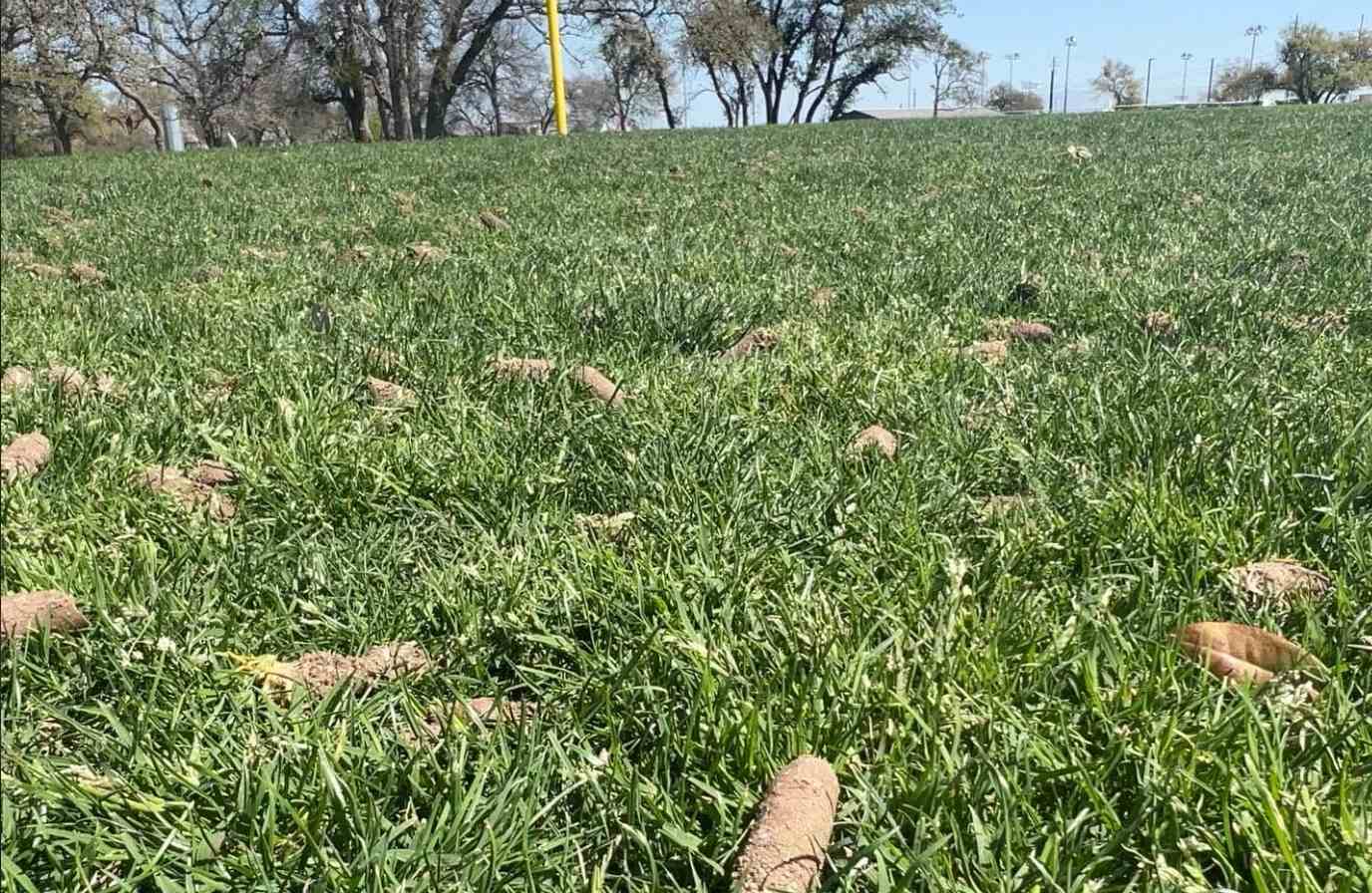
Professional lawn aeration services might sound technical, but this is one of the most impactful things you can do for your lawn's long-term health. The process creates small holes in the soil, allowing air, water, and nutrients to reach grass roots more effectively.
In Texas, late fall and early winter are ideal for aeration. The mild temperatures allow grass to recover quickly while giving roots time to strengthen before spring growth kicks in. For warm-season grasses like those common throughout the region, aerating between late October and December works well.
Not sure if your soil is compacted? Try the screwdriver test. Push a standard screwdriver into your lawn after watering. If it slides in easily, your soil is in good shape.
Signs your lawn needs aeration:
- Water pooling on the surface rather than soaking in
- Thin or patchy grass despite regular watering and fertilization
- Thick thatch layer more than half an inch
- Heavy foot traffic areas that feel hard underfoot
- Screwdriver test fails (can't penetrate more than a couple inches)
Aerating compacted soil transforms how your lawn responds to care. Roots grow deeper, grass becomes more resilient, and you'll see better results from fertilization and watering efforts. Many homeowners combine aeration with topdressing services to improve soil quality and create a smoother, healthier lawn surface.
Tackling Common Lawn Weeds Before They Take Over
Winter is prime time for certain weeds to establish themselves in Texas lawns. While your warm-season grass slows down, cool-season weeds thrive in the milder temperatures and increased moisture.
The most effective approach combines prevention and targeted treatment. Apply a pre-emergent herbicide in late fall to stop weed seeds from germinating. This creates a chemical barrier in the soil that blocks new weeds without harming established grass.
Common winter weeds in Central Texas:
- Henbit with purple flowers and scalloped leaves
- Chickweed with low-growing tiny white flowers
- Clover with three-leaf clusters that compete aggressively
- Dandelions with deep taproots
- Annual bluegrass that creates light green patches
For weeds that are already visible, spot-treat with a post-emergent herbicide labeled safe for your grass type. Many modern formulations are designed to break down quickly and minimize impact on pets and children. Our professional weed control programs use family-safe products that effectively eliminate weeds while protecting the areas where your kids and pets play. Always follow label instructions and keep kids and pets off treated areas until the product has dried completely. Learn more about safe weed control options for homes with pets .
How Much Water Does Your Lawn Really Need This Winter
Overwatering is one of the biggest mistakes Texas homeowners make during winter. With cooler temperatures and occasional rainfall, lawns require significantly less irrigation than during summer.
Most lawns need about half an inch of water per week during winter, and that includes rainfall. Run your irrigation system only when grass shows signs of stress. Check rainfall totals and adjust accordingly.
Signs your lawn needs water:
- Footprints remain visible after walking across the lawn
- Grass blades look dull or grayish rather than vibrant green
- Soil feels dry several inches below the surface
Many weeks, you won't need to water at all. Overwatering in winter encourages fungal diseases, shallow root growth, and weed germination. If you do need to irrigate, water in the early morning between 4 and 10 a.m. This timing allows grass blades to dry before evening while minimizing evaporation loss.
Identifying and Addressing Lawn Diseases and Insect Issues
Even in winter, Texas lawns aren't immune to problems. Fungal diseases and certain insects remain active during cooler, wetter months.
Watch for irregular brown or yellow patches that expand over time, grass blades with dark spots or streaks, and slimy areas after heavy dew or rain. Brown patch and take-all root rot are common in Central Texas during winter, thriving in cool, moist conditions.
Common winter lawn problems:
- Fungal lawn diseases like brown patch and take-all root rot
- Grubs feeding on grass roots underground
- Spongy turf that pulls up easily
- Dead patches despite adequate water
- Increased bird or animal activity digging for grubs
For disease issues, improving drainage and avoiding overwatering often helps. Professional treatment ensures you're addressing the actual problem rather than guessing. Lawn insect control services can target pests like grubs without harming beneficial organisms in your soil.
Managing Fire Ants and Other Lawn Insects Safely
Fire ants don't respect seasons. These aggressive pests remain active year-round in Texas, building mounds that damage lawns and pose risks to children and pets playing outside.
Treating fire ants requires a two-pronged approach. Target individual mounds and apply broadcast treatments for long-term control. Look for products specifically labeled for fire ants that won't harm grass.
Safe fire ant control options:
- Granular baits that ants carry underground before pets can access them
- Apply treatments in early morning or late evening when ants are most active
- Broadcast treatments in April and October for best results
- Biological controls like beneficial nematodes
- Keep children and pets away from treated areas until products dry
Working with professional fire ant control experts ensures treatments are applied correctly and safely. Modern formulations use baits that worker ants carry back to the colony, eliminating the queen and the entire population.
Understanding Overseeding for Texas Lawns
Overseeding involves spreading new grass seed over existing turf to fill in thin areas and improve overall density. For warm-season grasses like St. Augustine and Bermuda, winter is not ideal for permanent overseeding because these grass types need warm soil temperatures to germinate successfully.
However, if you have bare spots or want temporary winter color, you can overseed with annual ryegrass. This provides green coverage while your permanent grass rests, then dies off naturally as temperatures warm up in spring. The best time for permanent overseeding warm-season grasses is late spring or early summer when soil temperatures consistently reach 70 degrees or higher.
Why Late Season Lawn Care Sets You Up for Spring Success
Everything you do during winter directly influences how your lawn performs next spring. Think of it as compound interest for your yard. Small investments now yield significant returns later.
Lawns that receive proper winter care green up faster when temperatures rise. They develop deeper, more drought-resistant root systems and experience fewer weed invasions. You'll spend less time fighting problems and more time enjoying your outdoor space.
Winter prep checklist for Central Texas lawns:
- Final high-cut mowing before grass goes dormant
- Core aeration to relieve soil compaction
- Pre-emergent herbicide application for weed prevention
- Address drainage issues before spring rains
- Fire ant management to reduce spring populations
- Tree and shrub care including proper watering
Each task builds on the others, creating a foundation for effortless spring lawn care. Conversely, neglected lawns enter spring already stressed with established weeds and compacted soil. If you're new to lawn maintenance, check out our essential lawn care tips for beginners .
Professional Support for Busy Homeowners
Managing all these winter lawn care tasks while juggling family responsibilities can feel overwhelming. You don't have to do it alone.
Green Dream Lawns has been helping homeowners throughout Georgetown, Liberty Hill, Leander, and surrounding communities since 2021. Our team understands Texas lawns inside and out, from the specific challenges of Central Texas soil to the most effective treatments for regional pests and diseases. We prioritize family-safe, environmentally responsible solutions that deliver results without compromise.
Ready to give your lawn the winter care it deserves? Call 737-343-8545 or visit greendreamlawns.com to schedule a consultation.
Winter might feel like downtime for your lawn, but it's actually one of the most important seasons for setting up long-term success. With the right approach, you're investing in a yard that will reward you with lush, healthy growth when spring arrives. Your family deserves an outdoor space that's safe, inviting, and easy to maintain.
Frequently Asked Questions
How often should I mow my lawn during winter in Central Texas?
Mow every two to three weeks during winter based on actual growth rather than a strict schedule. Set your mower to 2.5-3 inches for St. Augustine and 1.5-2 inches for Bermuda . Taller grass helps insulate roots during cold snaps and suppresses winter weeds. Avoid scalping your lawn before winter, as it weakens turf and creates bare spots vulnerable to weed takeover. For professional maintenance, explore our lawn care services.
When is the best time to aerate my lawn in Texas?
Late fall through early winter late October to December is ideal for aerating warm-season grasses in Central Texas. Mild temperatures support quick recovery and give roots time to strengthen before spring. Signs that your lawn needs aeration include pooling water, thinning grass despite regular care, or difficulty pushing a screwdriver into the soil. Learn more about our professional aeration services.
What winter weeds should I watch for in Georgetown area lawns?
Common winter weeds in Central Texas include henbit, chickweed, clover, dandelions, and annual bluegrass. Apply a pre-emergent herbicide in late fall to prevent germination. For existing weeds, use family-safe post-emergent treatments or hand-pull smaller patches. Our weed control programs use eco-friendly products that protect children and pets while eliminating weeds effectively.
How much should I water my lawn during Texas winters?
Most Central Texas lawns need only half an inch of water per week , including rainfall. Many weeks require no additional irrigation at all. Water only when grass shows stress such as visible footprints, dull coloring, or dry soil several inches deep. Irrigate between 4-10 a.m. to allow blades to dry before evening, reducing disease risk and minimizing evaporation.
Are fire ants active during winter in Texas?
Yes. Fire ants remain active year-round in Texas. For best results, treat individual mounds with granular baits that worker ants carry back to the colony. Apply broadcast treatments in early morning or late evening. Keep children and pets away from treated areas until products are completely dry. Our fire ant control services provide safe, effective protection for your lawn and family.
Need Help With This Service?
Request a quote and we will build a practical lawn plan for your property.
Book Consultation